


Blog / Chevrolet Dealer

Chevrolet vs Subaru for All-Weather Commuting and Trailering near Wilmington, DE

Chevrolet vs Subaru for All-Weather Commuting and Trailering near Wilmington, DE

Jeff D'Ambrosio Chevrolet - Chevrolet vs Subaru for All-Weather Commuting and Trailering near Wilmington, DE

If you split time between weekday I-95 and Concord Pike traffic and weekend escapes to Lums Pond or the Brandywine Valley, choosing a brand that balances traction, confidence, and everyday versatility matters. At Jeff D'Ambrosio Chevrolet, we meet many shoppers near Wilmington, DE who are also considering Subaru for its reputation in all-weather driving. Below, we compare the brands at the lineup level—especially compact and midsize SUVs—through the lens of local roads, seasonal conditions, and common weekend use cases. The goal is to help you make an informed choice, with a clear view of where Chevrolet delivers standout advantages for life around Wilmington.

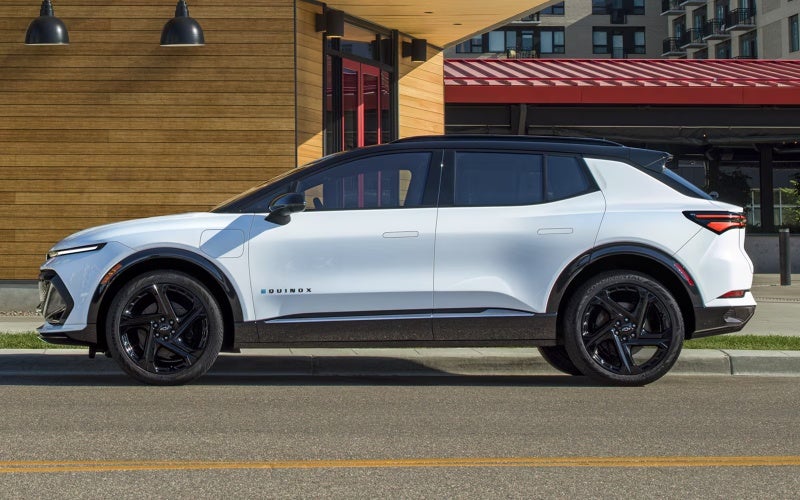
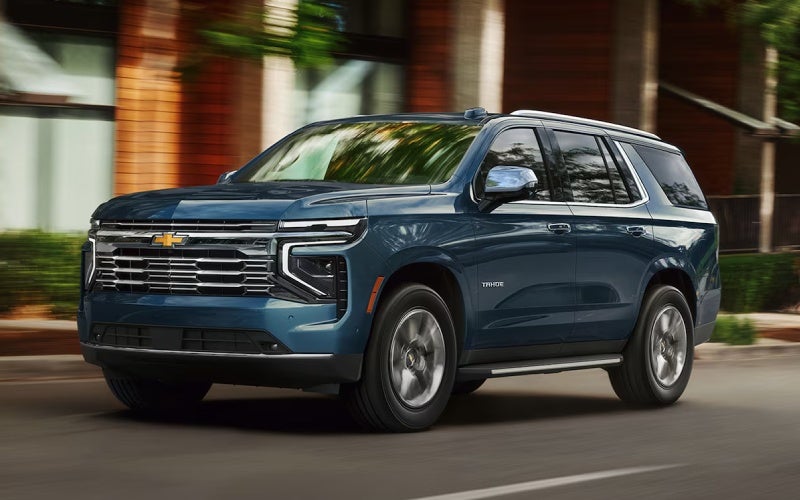
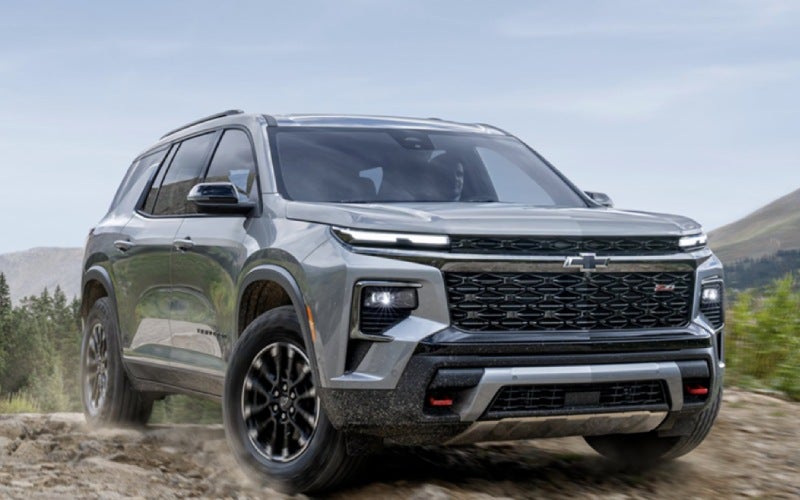
Start with traction. Subaru builds much of its lineup around standard Symmetrical All-Wheel Drive and the EyeSight driver-assist suite. Chevrolet takes a versatile approach—offering available AWD across most crossovers and SUVs, plus Driver Mode Select systems tailored to real-world surfaces. On models like Chevrolet Trailblazer, Equinox, Traverse, Tahoe, and Suburban, selectable modes help you adapt for wet, slushy, or uneven surfaces common after a Brandywine snow squall or a nor’easter. StabiliTrak Electronic Stability Control works in the background to keep you composed on leaf-covered bends out by Rockland Road, while available Auto or Snow/Ice modes in many Chevrolet models help optimize throttle mapping and torque distribution as conditions change.

Winter and shoulder seasons around Wilmington can swing from rain to snow to black ice within a day. Both brands prioritize active safety, and that is good news for drivers. Chevy Safety Assist is standard on many Chevrolet SUVs, bringing features like Automatic Emergency Braking, Forward Collision Alert, Lane Keep Assist with Lane Departure Warning, IntelliBeam auto high beams, and Following Distance Indicator. Subaru EyeSight offers similar core capabilities. The difference many local families appreciate is how Chevrolet layers in towing-friendly stability tech, available surround and hitch views, and broader hands-free driving availability for longer highway stretches. That blend aligns well with a mixed commute between US-202, DE-141, and I-95, where traffic ebbs, flows, and occasionally stops.

For longer trips—say, a Friday afternoon run down DE-1 toward the Delaware beaches—select Chevrolet models offer Super Cruise® hands-free driving on compatible roads. That includes certain Chevrolet SUVs and trucks, giving Wilmington-area commuters a way to reduce fatigue during sustained highway travel. Subaru does not offer hands-free lane-centering that allows true hands-off operation on mapped highways in the United States. If you are often on I-95, I-295 over the Delaware Memorial Bridge, or DE-1, that expanded hands-free capability can make a meaningful difference on multi-hour drives, especially when traffic compresses near toll plazas or construction zones.

Weekend gear and light trailering are common around Wilmington—think kayaks to the Brandywine, small utility trailers for garden projects in Greenville, or a lightweight boat to Lums Pond. Subaru SUVs can handle light towing, but Chevrolet’s lineup gives you more headroom across classes, plus an ecosystem of towing-focused features. Many Chevrolet SUVs and trucks incorporate Trailer Sway Control, available Hitch Guidance with Hitch View, and an in-vehicle Trailering App with customizable checklists. On larger Chevrolet SUVs and trucks, available Transparent Trailer View can help virtually “see through” a properly equipped trailer for added confidence when merging onto I-95 by the DE/PA line. That comprehensive approach matters in gusty crosswinds on the Delaware Memorial Bridge or when backing into a tight driveway near Trolley Square.

  • Hands-free advantage: Select Chevrolet models offer Super Cruise® for compatible highways; Subaru does not provide hands-free driving in the U.S.
  • Towing technology: Chevrolet brings available Hitch Guidance with Hitch View, Trailer Sway Control, and Transparent Trailer View on properly equipped vehicles; Subaru’s tow tech is more limited.
  • Traction flexibility: Chevrolet’s selectable drive modes and StabiliTrak help adapt to mixed surfaces common around the Brandywine and Old New Castle; Subaru emphasizes standard Symmetrical AWD.
  • Infotainment integration: Many Chevrolet models offer Google built-in, including Google Assistant, Google Maps, and Google Play; Subaru focuses on the brand’s Starlink system with wireless smartphone integration.
  • Teen confidence: Chevrolet’s Teen Driver technology encourages safer habits for new drivers headed to classes near the University of Delaware; Subaru does not offer a direct equivalent.

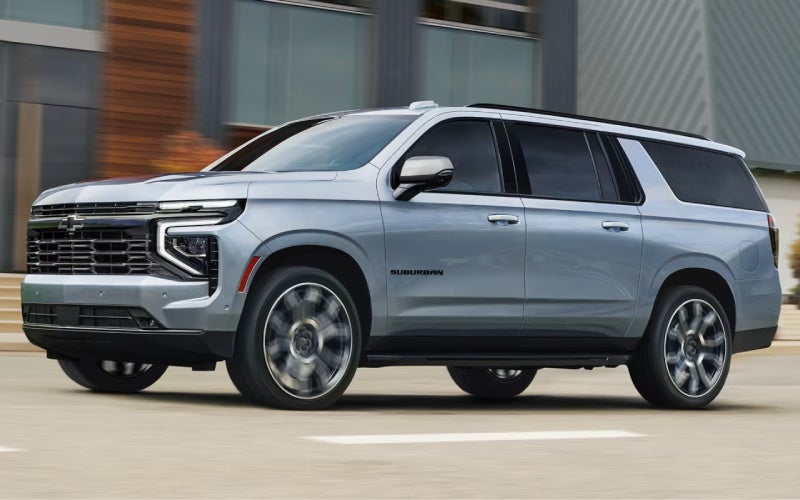
In day-to-day use, interior packaging and cargo flexibility also play a pivotal role. Chevrolet’s SUV family spans from city-friendly crossovers like Trax and Trailblazer to spacious, road-trip-ready models like Traverse, Tahoe, and Suburban. That breadth makes it easier to match cargo space to your week—whether it is a quick Costco run at Christiana Mall, sports bags for youth leagues along Route 7, or camping gear for White Clay Creek. Flat-load floors, wide liftgate openings, and available hands-free liftgates streamline loading in crowded lots. Subaru’s SUVs deliver smart cargo spaces too, particularly in Outback and Ascent, but Chevrolet’s lineup size range and third-row comfort—especially in Traverse, Tahoe, and Suburban—stand out for larger families or anyone juggling carpool duty.

Connectivity and navigation influence confidence on Wilmington’s network of arterials and backroads. With available Google built-in on many Chevrolet models, you get native Google Maps with EV routing on compatible vehicles, real-time traffic, and easy voice commands via Google Assistant. That is a plus when choosing the fastest bypass around a backup near the I-95/DE-141 interchange. Subaru’s Starlink system offers intuitive interfaces and wireless Apple CarPlay and Android Auto, but if you value embedded Google tools integrated directly into the vehicle, Chevrolet provides a clear edge.

Electrification is another area to consider for the DE-1 corridor, where charging access continues to grow. Chevrolet’s EV portfolio and dealer support network are expanding, with models designed to bring seamless smartphone-to-vehicle integration and available Google built-in. Subaru’s Solterra offers all-electric capability with standard AWD. If you are exploring EVs, our team can help you map charging near Pike Creek, Newark, or down toward the beaches, and outline how a home Level 2 setup pairs with your daily mileage. Because technology evolves quickly, our product specialists will walk you through the latest availability and compatibility based on your exact commute.

The ownership experience matters just as much as the test drive. At Jeff D'Ambrosio Chevrolet, our Certified Service team uses GM Genuine Parts and ACDelco parts, and we make scheduling easy online. We also stand behind your choice with a 3-Day/100-Mile Vehicle Exchange window, so you can confirm the fit on your commute from Wilmington to Oxford, PA and back. If your week includes kids’ drop-offs, a DE-202 commute, and a quick trailering job on Saturday, our advisors can recommend maintenance intervals and tire options that fit all-seasons and the occasional snow burst on Naamans Road.

If you are cross-shopping the brands, here is a quick way to think through use cases common around Wilmington.

  • Daily I-95 commuter: Chevrolet earns an advantage with available Super Cruise® on compatible highways and Google built-in for intuitive routing; Subaru counters with strong standard driver-assist features.
  • Light towing and weekend projects: Chevrolet’s available trailering cameras, hitch views, and sway control make boat ramps at Lums Pond or U-Haul runs on Kirkwood Highway easier; Subaru suits lighter loads.
  • Snow belt confidence: Both brands inspire confidence; Subaru’s standard AWD is a plus, while Chevrolet’s selectable drive modes and StabiliTrak bring adaptable, driver-tailored traction.
  • Growing family space: Chevrolet’s Traverse, Tahoe, and Suburban offer expansive third-row comfort and cargo room for carpools to Alapocas Run State Park; Subaru Ascent is roomy, but Chevrolet offers more size choices.
  • Tech-forward cabin: Chevrolet’s Google built-in and Teen Driver deliver everyday benefits for busy households; Subaru’s Starlink remains intuitive and widely compatible.

Both brands build capable, safe vehicles. For Wilmington-area drivers who split time between city streets, river valley backroads, and beach-bound highways—and who value hands-free capability on compatible roads, towing tech depth, and a broad range of sizes—Chevrolet offers compelling advantages. Our team at Jeff D'Ambrosio Chevrolet will help you test drive models back-to-back and set up features like Chevy Safety Assist, Google built-in, and available trailering cameras so you can experience the difference on familiar routes.

Frequently Asked Questions:

Does Super Cruise® work on I-95 near Wilmington, DE?

Super Cruise® functions on compatible mapped roads. Many stretches of I-95, I-295, and DE-1 are included, which can reduce fatigue during longer commutes and weekend trips. Our product specialists will confirm the latest coverage and demonstrate hands-free driving on an appropriate route during your test drive.

How do Chevrolet AWD systems compare to Subaru Symmetrical AWD in winter conditions?

Subaru emphasizes standard Symmetrical AWD for consistent traction. Chevrolet focuses on adaptability—available AWD combines with Driver Mode Select and StabiliTrak to tailor responses for rain, slush, light snow, or gravel shoulders. On typical Wilmington winter mix days, that flexibility helps optimize traction and steering feel as conditions change block by block.

Can a Chevrolet SUV tow a lightweight boat to Lums Pond?

Many Chevrolet SUVs can tow light loads when properly equipped. Features like Trailer Sway Control, available Hitch Guidance with Hitch View, and an in-vehicle Trailering App make launching and trailering more confident than what you typically find in non-truck-focused brands. Our team will match you to the right Chevy and equipment based on your trailer weight and frequency of use.

Do Chevrolet crossovers fit city parking near Trolley Square?

Yes. Compact Chevrolet models like Trax and Trailblazer are sized for tight street parking and garage ramps. Available parking cameras and Rear Cross Traffic Alert can further assist with visibility on narrow streets. If you need more space without losing maneuverability, Equinox balances cargo and city-friendly dimensions well.

Where can I service a Chevrolet if I live in Wilmington?

Our Certified Service Center at Jeff D'Ambrosio Chevrolet in Oxford, PA is a short drive from Wilmington. We use GM Genuine Parts and ACDelco parts, offer easy online scheduling, and provide multi-point inspections to help keep your Chevy performing at its best through every season.

Ready to compare Chevrolet and Subaru on your own Wilmington routes? Visit Jeff D'Ambrosio Chevrolet or schedule a test drive online. We will help you choose the right size, traction setup, and technology package for year-round confidence—from rush-hour merges near the DE/PA line to weekend projects and trail runs in the Brandywine Valley.
Request more information

Posted in:

Related Posts

2026chevroletsilverado1500-exterior-01

Choosing Chevrolet Side Steps for Daily Truck Use in Nottingham, PA

Jeff D'Ambrosio Chevrolet - Choosing Chevrolet Side Steps for Daily Truck Use in Nottingham, PA Side steps are one of those truck accessories that seem simple at first, but the right set can make daily driving, worksite access, family use, and cargo loading much easier. For Chevrolet Silverado and Colorado owners in Nottingham, PA, side steps can be especially useful because many trucks are used for a little bit of everything: commuting along Route 1, hauling supplies, visiting farms and small businesses, helping with weekend projects, and handling school or sports schedules. A truck that feels easy to enter and exit gets used more comfortably by more people, especially when passengers include children, older relatives, coworkers, or anyone carrying gear. The key is choosing side steps that fit the truck properly, support the intended use, and look like an intentional part of the vehicle rather than a random add-on. Why Fitment Matters More Than Style Alone Truck owners often start with the look: black steps, chrome steps, tubular bars, flat running boards, or rugged off-road-inspired designs. Appearance is important, but fitment should come first. A properly selected side step should align with factory mounting points, clear the rocker panels, and provide a secure stepping surface at the right height. Chevrolet trucks can vary by cab configuration, bed length, trim, and model year, so a step designed for one Silverado 1500 may not fit another Silverado 2500 HD or Colorado. Matching parts by VIN helps reduce ordering mistakes and supports a cleaner installation. Jeff D'Ambrosio Chevrolet can help identify GM Genuine Parts and compatible accessory options for your specific Chevrolet truck, then support installation through our service resources. Local use also shapes the right choice. A Nottingham driver using a Silverado for jobsite tools may prioritize a wider, grippier step surface. A family using a crew cab truck for everyday transportation may want full-length running boards to help passengers reach both rows. A truck owner who drives on rural roads or gravel lanes may prefer durable materials and a design that does not hang unnecessarily low. Drivers near Rising Sun, MD may have similar needs, especially when daily routes include a mix of town driving, back roads, and cross-state travel into Pennsylvania. Common Side Step Options for Chevrolet Trucks Running boards: These offer a broad stepping surface and often run along much of the cab, making access easier for front and rear passengers. Nerf bars: These tubular steps create a sportier look and can provide sturdy access points at each door. Off-road style steps: These often feature a more aggressive tread design and may suit trucks used on uneven worksites or outdoor trails. Wheel-to-wheel steps: These can help with both cab entry and bed access, which is useful for tools, cargo, and frequent loading. Factory accessory steps: These are designed with Chevrolet fitment in mind and can support a more integrated appearance. Choosing between these options comes down to how the truck is used. If your Silverado is a work partner, bed access may matter as much as cab entry. If your Colorado is an everyday pickup, comfort and clean styling may be the priority. If multiple drivers use the truck, step height and surface width can make a meaningful difference. A quality set of side steps should not interfere with doors, splash guards, lift kits, or wheel and tire combinations. That is another reason professional parts guidance is helpful before placing an order. Installation, Safety, and Long-Term Confidence Side steps experience constant force, vibration, road debris, and moisture. Proper installation helps protect the hardware, mounting points, and body panels. A loose or poorly fitted step can create noise, uneven support, or premature wear. Our GM-trained technicians understand Chevrolet mounting locations and can install accessories while checking for nearby components that should not be pinched, stressed, or obstructed. Professional installation is also helpful if the truck already has aftermarket accessories, a lift kit, larger wheels, or commercial equipment. Instead of treating the step as a stand-alone part, a trained team can look at how the accessory works with the whole vehicle. Parts warranty coverage is another consideration. General Motors offers several parts warranty categories for eligible GM Genuine Parts and ACDelco components, including coverage that may depend on the part type and whether installation is completed by a General Motors dealership. Because warranty qualifications can vary, it is smart to ask our Parts Department what applies to the specific accessory being purchased and installed. Keep documentation from the original purchase and repair order, since warranty support often requires proof of purchase and installation details. Questions to Ask Before Ordering Side Steps What cab configuration do I have: Crew cab, double cab, and regular cab trucks can require different step lengths and brackets. Do I need cab access or bed access: Daily passenger use may call for running boards, while work use may benefit from wheel-to-wheel steps. Will my current accessories interfere: Mud flaps, lift kits, larger tires, and certain trim features can affect clearance. What finish fits my routine: Black, chrome, textured, and coated finishes offer different looks and maintenance needs. Should installation be scheduled with service: Professional installation can help confirm secure mounting and proper alignment. If you are shopping for Chevrolet side steps in Nottingham, PA, start with the exact truck rather than a generic accessory search. Have your VIN ready, think about who enters the truck most often, and consider how frequently you access the bed. A parts specialist can help narrow the choices, explain fitment, and coordinate installation if needed. Side steps may be a practical upgrade, a style improvement, and a usability enhancement all at once when the correct parts are selected. Frequently Asked Questions: Are side steps useful on a truck that is not lifted? Yes. Even factory-height trucks can sit high enough to make entry awkward for passengers or frequent in-and-out driving. Side steps can improve comfort and access. Can side steps be added with other truck accessories? Often, yes. Many owners add side steps along with bed liners, wheels, remote start systems, or other accessories. Fitment should be checked to prevent interference. How do I get started? Contact our Parts Department with your VIN and preferred style. Our team can review compatible options, answer installation questions, and help you choose side steps that fit your Chevrolet truck and your daily routine near Rising Sun, MD or Nottingham, PA. Request more information

oil-change-header-1

Full Synthetic Oil Change Timing for Rising Sun, MD Commuters

Jeff D'Ambrosio Chevrolet - Full Synthetic Oil Change Timing for Rising Sun, MD Commuters For many Rising Sun, MD drivers, an oil change is not just another maintenance item on a checklist. It is one of the most important services for protecting engine performance during commutes, errands, highway drives, and weekend travel throughout Cecil County and the surrounding region. If your routine includes time on Route 1, I-95, US 40, or rural roads leading toward Pennsylvania, your engine experiences a mix of steady cruising, stop-and-go traffic, short trips, and longer drives. That variety makes it important to use the correct oil type and follow service guidance based on your vehicle, driving habits, and engine design. Modern Chevrolet models often call for advanced oil formulas designed to help engines run cleaner and more efficiently. The service information from our Certified Service team highlights several oil options, including ACDelco Gold Conventional Engine Oil, ACDelco GM OE dexos1 Full Synthetic Engine Oil, and Mobil 1 Full Synthetic Engine Oil. Full synthetic oil is engineered to resist varnish and sludge that can affect performance, while advanced anti-wear technology helps protect critical engine parts. For drivers asking whether full synthetic oil is worth it, the answer usually depends on the vehicle’s requirements, mileage, and driving pattern. Why Oil Type Matters for Rising Sun Driving Engine oil has several jobs happening at once. It lubricates moving parts, helps manage heat, supports cleaner operation, and works with the oil filter to control contaminants. When oil becomes dirty, low, or degraded, engine components can experience extra stress. Short trips around Rising Sun can be harder on oil than many drivers expect because the engine may not always reach full operating temperature long enough to reduce moisture buildup. Longer drives toward Oxford, Newark, or Kennett Square can help the engine warm fully, but highway speeds also demand steady lubrication and heat control. Choosing the correct grade of oil is crucial to vehicle performance. That is why a Certified Service technician should confirm the recommended oil for your exact model rather than relying on a generic rule. Some engines require dexos-approved oil, some may use a different capacity, and certain high-output or specialty engines may have unique requirements. If your vehicle displays an Oil Life System percentage, that reading can help guide timing, but it should be viewed alongside how and where you drive. Common Signs Your Vehicle May Be Due for an Oil Change Oil Life System alert: A low remaining oil life percentage means service should be scheduled soon. Dark or dirty oil: Oil that looks heavily contaminated may no longer provide ideal protection. Low oil level: Low oil can reduce lubrication and may signal burning, leaking, or maintenance delays. Engine noise: New ticking, knocking, or rough operation can be connected to lubrication concerns. Frequent short trips: Repeated brief drives can make oil work harder even when mileage is modest. During an oil change visit, Jeff D'Ambrosio Chevrolet can do more than drain and refill oil. Our Certified Service technicians can check whether oil is circulating properly at normal operating temperature, inspect for leaks or signs of burning, confirm filtration and oil level, and perform a Multi-Point Vehicle Inspection. That inspection can include tire wear, wiper blade condition, glass condition, fluid levels, brakes, battery connections, and visible concerns on critical systems. For a commuter from Rising Sun, that wider review helps make one service visit more useful. Full Synthetic vs Semi-Synthetic: What Should You Choose? Full synthetic oil is designed for strong protection, cleaner operation, and resistance to sludge and varnish. Semi-synthetic oil blends synthetic and conventional base oils, offering a middle-ground option for some vehicles. The best choice should match your Owner’s Manual, engine design, mileage, and technician recommendation. If your Chevrolet requires dexos1 full synthetic oil, using the correct specification is important for performance and long-term protection. If your vehicle is from another brand, our service team can still identify the right oil type because our service center works on all makes and models. Drivers near Kennett Square, PA and Rising Sun, MD often balance family transportation, work travel, towing needs, and weekend drives, so maintenance should support real life rather than a one-size-fits-all schedule. A Silverado that tows equipment, a Traverse used for family trips, an Equinox used for commuting, and a Trax driven mostly in town may each have different oil needs. Diesel vehicles, EVs with different maintenance requirements, and commercial vehicles also deserve specialized service planning from trained technicians. What Happens During a Quality Oil Change Visit? A proper oil change should include the correct oil grade, the right oil quantity, filter replacement, a leak check, and confirmation that the oil life monitor is reset when applicable. Technicians should also look for visible issues that can affect reliability. For example, a battery with weak connections, a tire with uneven wear, or brake components showing wear can be addressed before a daily drive becomes stressful. Oil service is often the easiest time to review multiple systems because the vehicle is already in the service bay. Convenience also matters. Our service center is located at 2158 Baltimore Pike in Oxford, PA, a practical stop for drivers traveling between Rising Sun and nearby Pennsylvania communities. Service hours are available Monday through Friday from 7:30AM to 6:00PM and Saturday from 8:00AM to 4:00PM, which gives commuters more flexibility. A shuttle service is available for local customers, and our team can help with oil changes, brake service, batteries, tires, alignments, parts replacement, diesel service, EV service, and accessories. Frequently Asked Questions: How often should I get a full synthetic oil change? Your Owner’s Manual and Oil Life System provide the best guidance. Driving habits matter, so frequent short trips, towing, heavy loads, or long highway drives may influence service timing. Can your service center change oil on non-Chevrolet vehicles? Yes. Our service center works on all makes and models, with frequent experience servicing General Motors vehicles. Is checking oil level between services still important? Yes. Checking oil level helps identify low oil, leaks, or consumption concerns before engine protection is affected. If your vehicle is due for an oil change, or if you are unsure which oil type is right for your engine, schedule a Certified Service appointment today. Our technicians can confirm the proper oil, inspect key systems, answer maintenance questions, and help keep your daily driving routine dependable from Rising Sun to Oxford and beyond. Request more information

brakes-2

Brake Repair and Rotor Replacement Tips for Everyday Drivers in Elkton, MD

Jeff D'Ambrosio Chevrolet - Brake Repair and Rotor Replacement Tips for Everyday Drivers in Elkton, MD Brake performance is easy to take for granted — right up until pedal feel changes, stopping distances grow, or you hear a noise you cannot ignore. Around Elkton, MD, daily driving on Route 40 and I-95, plus quick hops to Newark or North East, puts a lot of stop-and-go stress on pads, rotors, and hydraulic components. This guide explains how to spot brake issues early, what a professional diagnosis includes, and how to plan maintenance that fits your commute and weekend plans. Early warning signs you should not ignore Your car is constantly giving you feedback about braking health. Small changes often come first, and catching them early can prevent bigger, more expensive repairs later. Look and listen for the cues described below, then schedule an expert inspection before the problem grows. Squeal or chirp when braking: Often a built-in wear indicator telling you pads are thin. Grinding noise: Pad friction material may be gone, allowing metal-to-metal contact with rotors. Pulsation in the pedal: Rotor thickness variation or hotspots can create a vibration under braking. Soft or sinking pedal: Air in the system, moisture-contaminated brake fluid, or a hydraulic issue. Pulling to one side: Uneven pad wear, a sticking caliper slide, or an alignment/tire issue. Longer stopping distances: Compromised friction material, glazed pads, or overheated rotors. If you notice any of these symptoms while cruising Elkton’s downtown lights or merging on I-95, an inspection is due. Prompt service protects your rotors, improves safety, and restores confidence in every stop. What a thorough brake diagnosis includes A proper evaluation starts with a road test to feel the pedal, listen for noises, and check how the vehicle tracks during braking. In the bay, a technician measures pad thickness at each wheel, inspects rotor surfaces, verifies caliper slide freedom, and checks for uneven pad transfer. The team also inspects hoses, looks for fluid seepage at connections, measures rotor runout and thickness, and confirms the parking brake’s hold. On ABS-equipped vehicles, scanning for fault codes and live-wheel speed data can reveal sensor or module concerns that mimic mechanical issues. Finally, a quick brake fluid test shows moisture content that can lower the boiling point and degrade pedal feel — important for summer highway speeds and frequent Elkton to Newark commutes. Expect a clear explanation of findings and a prioritized plan. Often that means new pads and rotors on the affected axle, a hardware refresh, cleaning and lubricating caliper slides, and a proper bed-in procedure so new parts work quietly and predictably right away. Rotors matter — here is why Rotors are not just metal discs; they are engineered to manage heat. When rotors overheat from aggressive stops or towing a small boat to the Elk River, the surface can harden unevenly, creating thickness variation and pedal pulsation. Machining modern thin rotors is rarely a lasting fix; replacement is usually the smarter path when they are below spec or badly heat-checked. Quality rotors paired with the right friction compound match your vehicle’s weight and brake system design. After installation, a proper break-in embeds an even layer of pad material, minimizing noise and vibration for smoother stops along Route 279 and beyond. During service, torqueing wheels to spec and seating rotors against clean, rust-free hubs helps prevent future pulsation. This attention to detail keeps your steering wheel calm under braking and your confidence high in wet or dry conditions. Brake fluid and ABS deserve attention too. Brake fluid is hygroscopic — it absorbs moisture over time, which lowers its boiling point. In hard stops, that moisture can flash to vapor and create a soft pedal. A quick fluid test tells you if a flush is due. ABS-related issues may trigger a warning light, but subtle sensor glitches can also extend stopping distances without a dash alert. A scan and visual inspection of tone rings and harnesses is part of a complete plan, especially for vehicles that see gravel roads or winter salt. Planning your visit and setting expectations For many Elkton drivers, a same-day brake service is achievable when parts are in stock and no additional issues are found. You can make life easier by noting symptoms, when they occur (city speeds, highway, first stop of the day), and whether the steering wheel vibrates or just the pedal. Share this with your advisor so the technician can reproduce the concern. If you commute to Newark or Wilmington, consider early drop-off or shuttle options to keep your day moving. Our service center is a short drive away in Oxford, PA, with the capacity and tooling to diagnose and repair brakes on nearly all makes and models, including trucks and SUVs used for light towing. When it is time to choose parts, match your needs: daily commuting, weekend hauling, or a mix. The right pad compound and rotor design reduce dust, control noise, and deliver consistent stops without surprises. Frequently Asked Questions: How often should pads and rotors be replaced? There is no single mileage number — it depends on driving style, traffic, vehicle weight, and pad compound. Many commuters see front pad service between 25,000 and 50,000 miles, with rotors replaced when worn, heat-checked, or below spec. Can I replace pads without rotors? Sometimes, but only if rotors are above minimum thickness and have a smooth, even surface. If rotors are worn or pulsating, replacement prevents noise and protects the new pads. Why does my steering wheel shake when braking? Likely rotor thickness variation or hub runout. Proper diagnosis includes measuring rotors and ensuring clean, rust-free hub faces before torquing wheels to spec. Do I need a brake fluid flush? If a moisture test shows elevated content or the fluid is discolored, a flush restores proper boiling point and pedal feel. It is especially helpful for frequent highway braking. Are OEM-grade parts worth it? Yes. OEM or equivalent-quality pads, rotors, and hardware are engineered for your brake system, helping reduce noise and ensure consistent performance. Ready to restore quiet, confident braking for your Elkton drives? Schedule service with the Certified Service team at Jeff D'Ambrosio Chevrolet — we will diagnose precisely, recommend the right parts, and get you back on Route 40 with a pedal that feels right every time. Request more information