


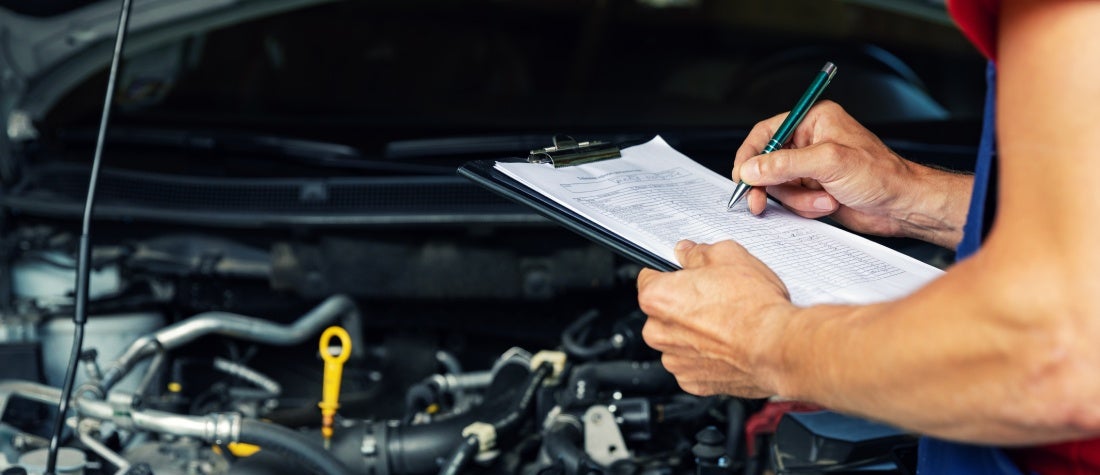

Jeff D'Ambrosio Chevrolet - What Kennett Square, PA Drivers Should Check Before a PA State Inspection
A Pennsylvania state inspection is more than a yearly requirement. For Kennett Square, PA drivers, it is a practical way to confirm that a vehicle is ready for daily commuting, family errands, farm market runs, school traffic, and longer drives toward Oxford, West Chester, Wilmington, or Elkton. The inspection process focuses on safety-related systems, and emissions testing may also apply depending on the vehicle and registration requirements. Preparing before the appointment can make the visit smoother and help avoid surprises related to tires, brakes, lighting, windshield condition, wipers, suspension, steering, or other inspection items.
Many drivers start thinking about inspection only when the sticker is close to expiration, but a little preparation can help. If your vehicle has been making unusual noises, pulling to one side, leaving fluid spots, displaying a warning light, or riding differently over rough pavement, it is wise to schedule service before the inspection deadline becomes urgent. Our Oxford service center works with Chevrolet vehicles most often, and we also service many other makes and models. We can inspect diesel vehicles, EVs, light-duty commercial vehicles, and everyday commuter cars with a practical, transparent approach.
Brake Condition Is a Major Inspection Concern
Brakes are one of the most important systems reviewed during a safety-focused service visit. If you hear squealing, chirping, grinding, or feel shaking while stopping, your vehicle should be checked before inspection day. Brake pads, rotors, calipers, hoses, lines, and parking brake function can all affect vehicle safety. Some modern Chevrolet models also include brake wear indicators or a Brake Pad Life Monitor, which can help identify wear before it becomes a bigger concern.
Kennett Square area driving can involve a mix of stop-and-go downtown traffic, rolling back roads, and highway-speed travel. That variety puts different demands on brake components. A truck carrying tools or towing may wear brakes differently than a compact SUV used for errands and commuting. If pedal feel changes, stopping distances seem longer, or the steering wheel vibrates while braking, a pre-inspection appointment can help identify whether pads, rotors, tires, or suspension components are contributing to the issue.
Tires, Alignment, and Steering Should Be Reviewed Early
Tires play a direct role in inspection readiness and daily safety. Worn tread, sidewall damage, visible cords, bulges, cuts, cracks, and uneven wear patterns should be addressed promptly. Proper tire pressure also matters for performance, comfort, fuel efficiency, and tire life. As a general habit, tire pressure should be checked when tires are cold, following the Tire Information Label on the driver-side doorframe rather than the maximum pressure printed on the tire sidewall.
- Tread wear: Low tread depth can reduce traction and may create inspection concerns.
- Sidewall damage: Bumps, cuts, cracking, or split sidewalls should be inspected by a technician.
- Uneven wear: Feathering, cupping, or inside-edge wear may point to alignment, rotation, or suspension needs.
- Vibration or pulling: Steering wheel shake or a vehicle drifting to one side can indicate tire, wheel, alignment, or suspension issues.
Regular tire rotation is commonly recommended around every 7,500 miles, though the correct interval can vary by vehicle and driving habits. If you drive around Kennett Square on a combination of local lanes, rural roads, and higher-speed routes, staying ahead of tire care can make the inspection process easier and help your vehicle feel more stable every day.
Lights, Wipers, Glass, and Fluids Are Easy to Overlook
Some inspection-related concerns are simple to notice at home but still commonly missed. Before your appointment, walk around the vehicle and check headlights, brake lights, turn signals, reverse lights, hazard lights, and license plate lights. A burned-out bulb can affect visibility and inspection readiness. Also look at the windshield for cracks or chips that may interfere with the driver’s view, and test the front and rear wipers if your vehicle is equipped with both.
Fluid condition and fluid levels matter as well. Brake fluid, coolant, engine oil, washer fluid, and other operating fluids help support safe, reliable operation. Low engine oil or neglected oil changes can shorten engine life, while low washer fluid and worn wipers can reduce visibility. During a multi-point inspection, our technicians can review fluid levels, battery condition and connections, tire wear, brake condition, wiper operation, glass condition, and visible leaks or damage. That broader view helps drivers understand what needs immediate attention and what may be coming due later.
Why a Certified Service Visit Helps Before Inspection
A pre-inspection visit gives drivers time to make informed decisions instead of rushing repairs at the last minute. Our GM-trained technicians understand Chevrolet service requirements, but our service department also works on all makes and models. We use professional diagnostic equipment, can install GM Genuine Parts and ACDelco parts when appropriate, and can help with related maintenance such as oil changes, brake service, batteries, tires, filters, and part replacement. Our team also offers shuttle service for local customers, which can make routine service easier to fit into a busy schedule.
Parts quality can also matter after inspection-related repairs. Many qualifying GM Genuine Parts and ACDelco service replacement parts may include limited warranty coverage when installed by a General Motors dealership. That can add confidence when replacing items such as brakes, rotors, alternators, starters, chassis components, wheel bearings, and other covered parts. If your vehicle needs service, our advisors can explain the concern, discuss recommended repairs, and help prioritize work based on safety, reliability, and inspection needs.
Frequently Asked Questions:
When should I schedule my PA state inspection?
It is best to schedule before your sticker is close to expiring, especially if your vehicle has known issues. Early scheduling gives you time to address maintenance needs without feeling rushed.
Will a warning light affect my inspection?
A warning light can indicate a system that needs diagnosis. The impact depends on the light, the vehicle, and the inspection requirement involved. A technician can scan the system and explain the next step.
Should I get an oil change before inspection?
An oil change is not always required for inspection, but it is smart if your vehicle is due. Clean oil at the proper level helps protect the engine, and a service visit can include a broader check of fluids, tires, brakes, and other key items.
Can your service center inspect non-Chevrolet vehicles?
Yes. Our service department works on all makes and models, with frequent service experience on General Motors vehicles. We can also assist with diesel vehicles, EVs, and many light-duty commercial vehicles.
If you drive in or around Kennett Square, PA and your inspection date is approaching, now is a smart time to schedule service. Bring your vehicle to our Oxford service center for a careful inspection-readiness check, brake and tire review, oil change, battery test, or diagnostic visit. Our team is ready to help you keep your vehicle safe, compliant, and comfortable for the roads you use every day.