



Jeff D'Ambrosio Chevrolet - What Oxford, PA Drivers Should Know About Brake Fluid, Pads, and Rotors
Brake service is one of the most important maintenance topics for Oxford, PA drivers because it directly affects stopping confidence, vehicle control, and everyday peace of mind. Many drivers notice brake concerns only after a sound or vibration appears, but brake systems often provide earlier clues through pedal feel, brake pad wear, rotor condition, fluid age, or dashboard messages. Around Oxford, a single week of driving can include Baltimore Pike, neighborhood streets, school traffic, business errands, rural roads, and highway connections. That variety matters because repeated stops, hills, towing, passengers, and loaded cargo can change how quickly brake components wear. Our Chevrolet Certified Service team helps drivers understand what is happening inside the brake system before problems become more disruptive.
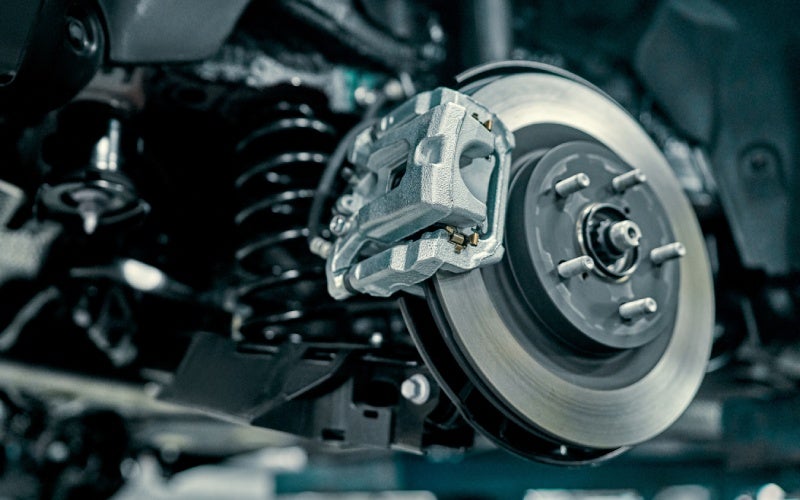
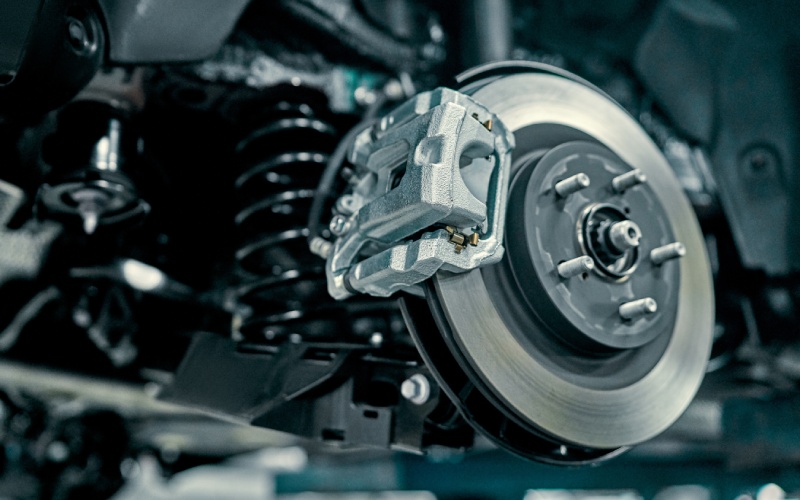
A complete brake system includes more than pads and rotors. Brake fluid transfers force from the pedal to the braking components, calipers apply pressure, rotors provide the surface for braking, pads create friction, hoses and lines move fluid, and sensors or monitoring systems may help track wear. Chevrolet models may also feature Brake Wear Indicators or a Brake Pad Life Monitor that estimates pad wear using front and rear thickness sensors on equipped vehicles. If a warning appears, if stopping distance changes, or if a new sound begins, scheduling service is a smart next step. Our technicians can inspect the full system and explain findings in plain language.
Common Brake Warning Signs Worth Checking
Brake concerns should not be ignored because small symptoms can point to wear, contamination, heat damage, or component changes. A high-pitched squeal may indicate pad wear or contact with a wear indicator. Grinding can mean friction material is worn down and metal contact is occurring. A pulsing pedal can suggest rotor thickness variation or surface irregularity. Pulling to one side during braking may involve uneven brake force, tire issues, alignment concerns, or suspension-related factors. A soft pedal can point toward fluid, air, or hydraulic system concerns. If any of these symptoms appear during daily driving, a professional inspection can identify the source.
- Squealing or chirping: Often linked to pad wear, brake hardware, or wear indicators contacting the rotor surface.
- Grinding noise: May indicate advanced pad wear or metal-on-metal contact that needs prompt attention.
- Steering wheel vibration: Can occur when rotor condition affects smooth braking feel.
- Brake pedal changes: A soft, spongy, or unusually firm pedal should be evaluated by a trained technician.
- Dashboard warning: Brake-related messages or warning lights should be checked with proper diagnostic equipment.
Why Brake Fluid Deserves Attention
Brake fluid is easy to overlook because it works quietly in the background, but it is essential to braking performance. Over time, brake fluid can absorb moisture and lose effectiveness, which can affect pedal feel and braking consistency. Moisture inside the hydraulic system can also contribute to internal corrosion. This is why a brake inspection should include fluid condition, visible leaks, line and hose checks, reservoir level, and hydraulic system performance. If your vehicle is used for towing, commercial work, steep grades, or frequent stop-and-go routes, brake fluid condition becomes even more important.
During service, our technicians can review brake fluid level and visible condition as part of a broader inspection. If a brake warning sign is present, the inspection may also include calipers, pads, rotors, brake lines, hoses, parking brake operation, and electronic brake-related systems where applicable. This approach helps avoid replacing parts without understanding the cause of the concern. It also helps drivers plan maintenance based on measured wear and actual system condition rather than guesswork.
Brake Pads, Rotors, and the Value of Quality Parts
Brake pads and rotors work together every time you slow down. Pads create friction against the rotor surface, converting motion into heat. Over time, pads wear down, and rotors can develop grooves, heat spots, uneven surfaces, or thickness variation. Replacing only one component without evaluating the other can lead to noise, vibration, or shorter service life. That is why our service process includes rotor inspection when brake pad replacement is being considered. Proper installation, correct fit, and compatible parts all matter for smooth braking.
Our service department uses GM Genuine Parts and ACDelco parts when appropriate, giving drivers access to components backed by General Motors. These parts are designed for reliable fit and dependable performance, which is especially important for Chevrolet owners who want factory-minded service. Our team also services all makes and models, with frequent experience on General Motors vehicles, diesel vehicles, EVs, commercial light-duty vehicles, and heavy-duty applications. For trucks and SUVs used for hauling, towing, or work, brake load and heat management deserve extra attention during routine inspections.
How Oxford Driving Can Influence Brake Wear
Brake wear is not only about mileage. Driving habits and local routes can have a major impact. A vehicle used mainly for highway cruising may wear brakes differently than a vehicle that makes frequent local stops. Drivers who travel through town, enter parking lots often, carry equipment, or tow trailers may place more demand on pads, rotors, and brake fluid. Road conditions also matter. Uneven surfaces, debris, potholes, and repeated braking on rolling roads can make regular inspections more valuable.
One useful habit is to pay attention to what feels normal for your vehicle. If the brake pedal sinks farther than usual, if stopping takes more effort, or if the vehicle vibrates when slowing from higher speeds, schedule service. Waiting for symptoms to get worse can increase repair complexity. A professional inspection can help confirm if service is needed now or if brake components still have usable life. Our goal is to provide clear findings so you can make confident decisions about maintenance.
What to Expect During a Brake Service Visit
A brake appointment should be thorough and easy to understand. Our technicians can inspect pads, rotors, calipers, lines, hoses, brake fluid, parking brake components, and visible hardware. On equipped Chevrolet models, our team can also review brake monitoring information and dashboard messages. If replacement is recommended, our advisors can explain which components need attention and why. No driver wants surprises, so clear communication is an important part of our service experience.
- Initial concern review: We listen to the sound, feel, warning light, vibration, or braking issue you noticed.
- Visual and measured inspection: Technicians review pad thickness, rotor condition, fluid level, and visible brake components.
- System evaluation: Brake lines, hoses, calipers, and related components are checked for concerns where accessible.
- Clear recommendation: Our team explains findings and next steps based on vehicle condition and safety needs.
Frequently Asked Questions:
How often should brake pads be inspected?
Brake pads should be inspected during routine maintenance and whenever a sound, vibration, warning light, or pedal change appears. Driving habits, vehicle weight, towing, and local traffic all affect wear.
Can rotor problems cause vibration?
Yes. Rotor thickness variation, uneven surfaces, heat spots, or wear can create vibration through the pedal or steering wheel during braking. A technician can measure and inspect rotors to confirm the cause.
Is brake fluid service important?
Yes. Brake fluid supports hydraulic pressure in the braking system. If fluid absorbs moisture or becomes contaminated, braking feel and performance can be affected. A professional inspection can determine service needs.
Do you service non-Chevrolet vehicles?
Yes. Our service department works on all makes and models, along with GM vehicles, diesel vehicles, EVs, and commercial light-duty or heavy-duty vehicles.
If your vehicle squeals, grinds, shakes while stopping, displays a brake message, or simply feels different than usual, our Oxford service team is ready to help. We offer GM-trained expertise, modern diagnostic equipment, quality parts support, shuttle service for local customers, and a service schedule designed for convenience. Schedule brake service today and let our Certified Service experts help restore the confident stopping power you expect from your vehicle.