




Jeff D'Ambrosio Chevrolet - Brake Repair and Rotor Replacement Tips for Everyday Drivers in Elkton, MD
Brake performance is easy to take for granted — right up until pedal feel changes, stopping distances grow, or you hear a noise you cannot ignore. Around Elkton, MD, daily driving on Route 40 and I-95, plus quick hops to Newark or North East, puts a lot of stop-and-go stress on pads, rotors, and hydraulic components. This guide explains how to spot brake issues early, what a professional diagnosis includes, and how to plan maintenance that fits your commute and weekend plans.
Early warning signs you should not ignore
Your car is constantly giving you feedback about braking health. Small changes often come first, and catching them early can prevent bigger, more expensive repairs later. Look and listen for the cues described below, then schedule an expert inspection before the problem grows.
- Squeal or chirp when braking: Often a built-in wear indicator telling you pads are thin.
- Grinding noise: Pad friction material may be gone, allowing metal-to-metal contact with rotors.
- Pulsation in the pedal: Rotor thickness variation or hotspots can create a vibration under braking.
- Soft or sinking pedal: Air in the system, moisture-contaminated brake fluid, or a hydraulic issue.
- Pulling to one side: Uneven pad wear, a sticking caliper slide, or an alignment/tire issue.
- Longer stopping distances: Compromised friction material, glazed pads, or overheated rotors.
If you notice any of these symptoms while cruising Elkton’s downtown lights or merging on I-95, an inspection is due. Prompt service protects your rotors, improves safety, and restores confidence in every stop.
What a thorough brake diagnosis includes
A proper evaluation starts with a road test to feel the pedal, listen for noises, and check how the vehicle tracks during braking. In the bay, a technician measures pad thickness at each wheel, inspects rotor surfaces, verifies caliper slide freedom, and checks for uneven pad transfer. The team also inspects hoses, looks for fluid seepage at connections, measures rotor runout and thickness, and confirms the parking brake’s hold. On ABS-equipped vehicles, scanning for fault codes and live-wheel speed data can reveal sensor or module concerns that mimic mechanical issues. Finally, a quick brake fluid test shows moisture content that can lower the boiling point and degrade pedal feel — important for summer highway speeds and frequent Elkton to Newark commutes.
Expect a clear explanation of findings and a prioritized plan. Often that means new pads and rotors on the affected axle, a hardware refresh, cleaning and lubricating caliper slides, and a proper bed-in procedure so new parts work quietly and predictably right away.
Rotors matter — here is why
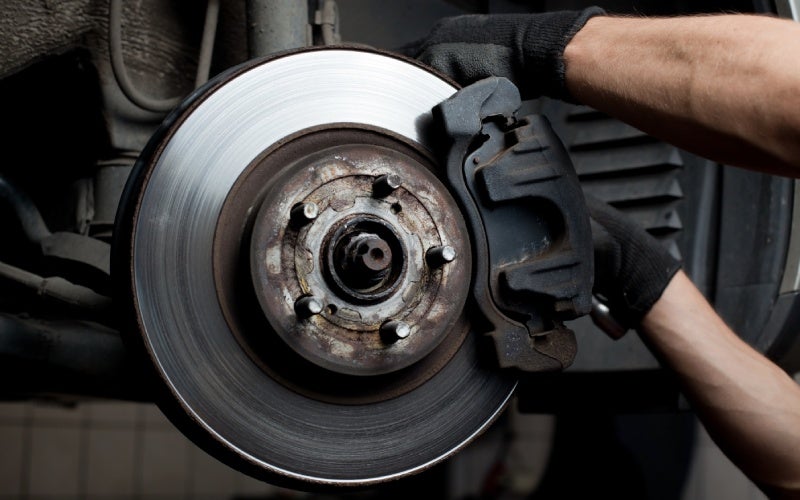
Rotors are not just metal discs; they are engineered to manage heat. When rotors overheat from aggressive stops or towing a small boat to the Elk River, the surface can harden unevenly, creating thickness variation and pedal pulsation. Machining modern thin rotors is rarely a lasting fix; replacement is usually the smarter path when they are below spec or badly heat-checked. Quality rotors paired with the right friction compound match your vehicle’s weight and brake system design. After installation, a proper break-in embeds an even layer of pad material, minimizing noise and vibration for smoother stops along Route 279 and beyond.
During service, torqueing wheels to spec and seating rotors against clean, rust-free hubs helps prevent future pulsation. This attention to detail keeps your steering wheel calm under braking and your confidence high in wet or dry conditions.
Brake fluid and ABS deserve attention too. Brake fluid is hygroscopic — it absorbs moisture over time, which lowers its boiling point. In hard stops, that moisture can flash to vapor and create a soft pedal. A quick fluid test tells you if a flush is due. ABS-related issues may trigger a warning light, but subtle sensor glitches can also extend stopping distances without a dash alert. A scan and visual inspection of tone rings and harnesses is part of a complete plan, especially for vehicles that see gravel roads or winter salt.
Planning your visit and setting expectations
For many Elkton drivers, a same-day brake service is achievable when parts are in stock and no additional issues are found. You can make life easier by noting symptoms, when they occur (city speeds, highway, first stop of the day), and whether the steering wheel vibrates or just the pedal. Share this with your advisor so the technician can reproduce the concern. If you commute to Newark or Wilmington, consider early drop-off or shuttle options to keep your day moving. Our service center is a short drive away in Oxford, PA, with the capacity and tooling to diagnose and repair brakes on nearly all makes and models, including trucks and SUVs used for light towing.
When it is time to choose parts, match your needs: daily commuting, weekend hauling, or a mix. The right pad compound and rotor design reduce dust, control noise, and deliver consistent stops without surprises.
Frequently Asked Questions:
How often should pads and rotors be replaced?
There is no single mileage number — it depends on driving style, traffic, vehicle weight, and pad compound. Many commuters see front pad service between 25,000 and 50,000 miles, with rotors replaced when worn, heat-checked, or below spec.
Can I replace pads without rotors?
Sometimes, but only if rotors are above minimum thickness and have a smooth, even surface. If rotors are worn or pulsating, replacement prevents noise and protects the new pads.
Why does my steering wheel shake when braking?
Likely rotor thickness variation or hub runout. Proper diagnosis includes measuring rotors and ensuring clean, rust-free hub faces before torquing wheels to spec.
Do I need a brake fluid flush?
If a moisture test shows elevated content or the fluid is discolored, a flush restores proper boiling point and pedal feel. It is especially helpful for frequent highway braking.
Are OEM-grade parts worth it?
Yes. OEM or equivalent-quality pads, rotors, and hardware are engineered for your brake system, helping reduce noise and ensure consistent performance.
Ready to restore quiet, confident braking for your Elkton drives? Schedule service with the Certified Service team at Jeff D'Ambrosio Chevrolet — we will diagnose precisely, recommend the right parts, and get you back on Route 40 with a pedal that feels right every time.